





By the makers behind Claybotik & Earthan
In a world flooded with mass-produced ceramics, it has become harder than ever to tell whether a pottery piece is truly handmade or simply designed to look handmade.
Many brands use words like “artisan-made,” “handcrafted,” or “studio pottery,” even when machines do most of the work. But real handmade ceramics carry something that factory-made products simply cannot replicate: human touch, imperfections, character, and soul.
As ceramic artists and makers who work with clay every single day, we wanted to share what genuinely separates handmade pottery from machine-made ceramics and how you can identify the difference even when shopping online.
The Biggest Misconception About Handmade Pottery
One of the biggest misconceptions people have is that handmade ceramics are fragile and break easily.
The truth is quite the opposite.
High-quality handmade ceramics are incredibly durable because they are fired at extremely high temperatures, often around 1220°C to 1250°C. At this temperature, the clay becomes extremely hard and strong.
At Earthan, our ceramics go through multiple firings and long kiln cycles. We personally use handmade ceramic ware every day in our homes for months and years.
A properly fired ceramic piece does not break easily. In most cases, it would require significant impact or force to crack or shatter it.
What Makes Handmade Pottery Different?
Handmade pottery carries evidence of the human hand.
Unlike factory-made products that are perfectly identical, handmade ceramics often contain subtle variations that make every piece unique.
Here are some signs we immediately notice when identifying handmade pottery:
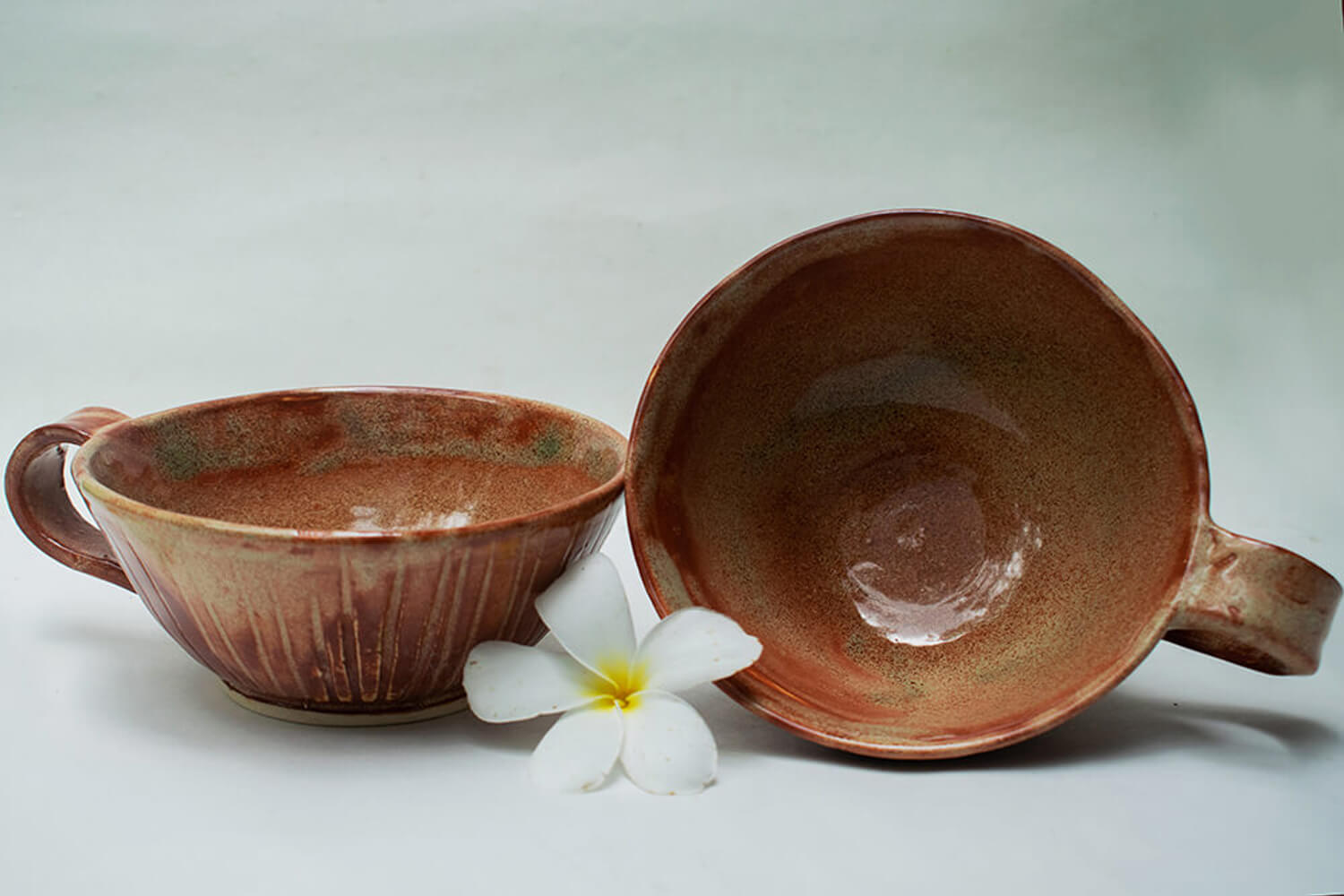
1. Slightly Uneven Rims
Look closely at the rim of a ceramic mug or ceramic bowl.
If it feels slightly organic or uneven rather than mathematically perfect, that is often a strong sign that it was handmade.
Machine-made products tend to be extremely uniform.
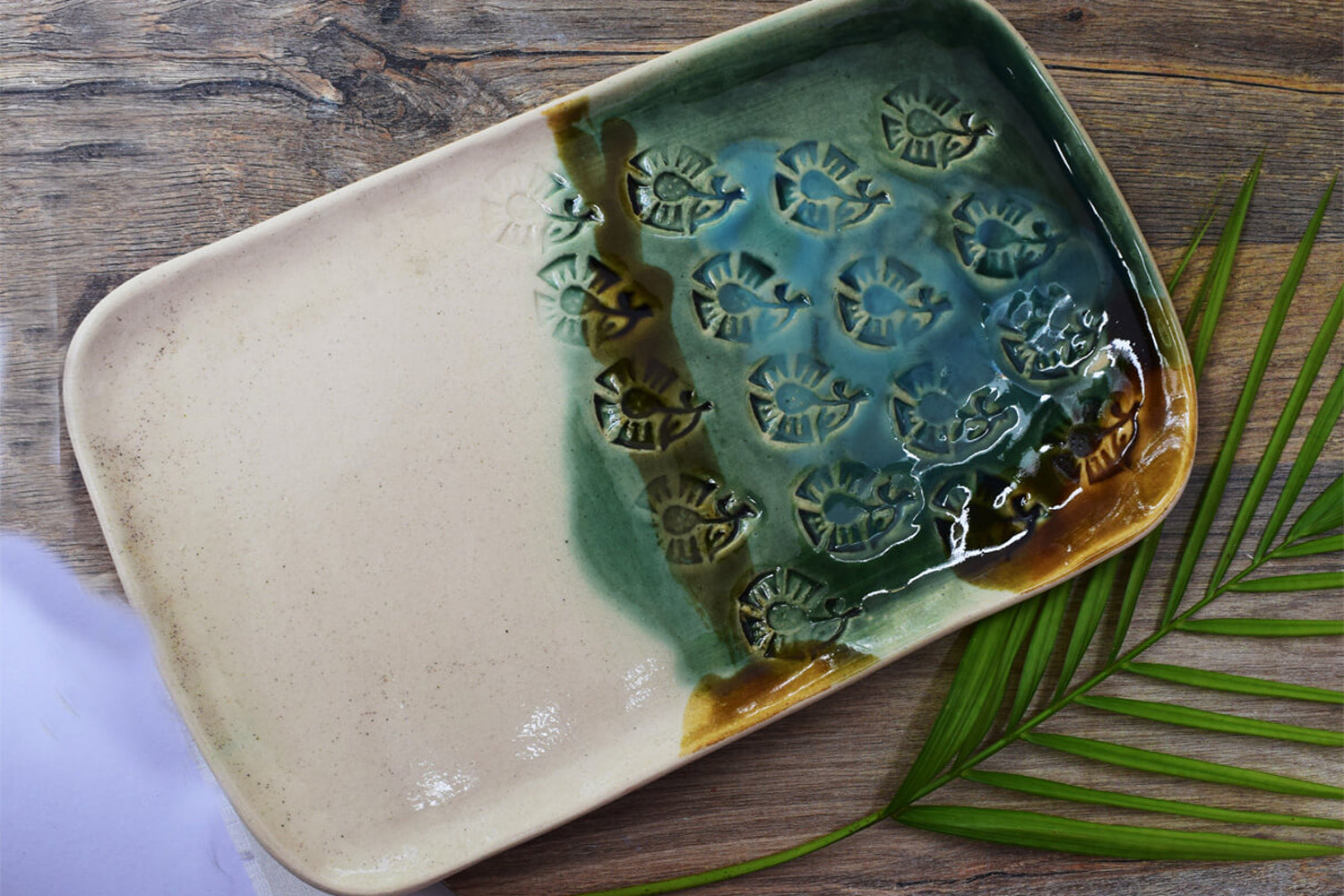
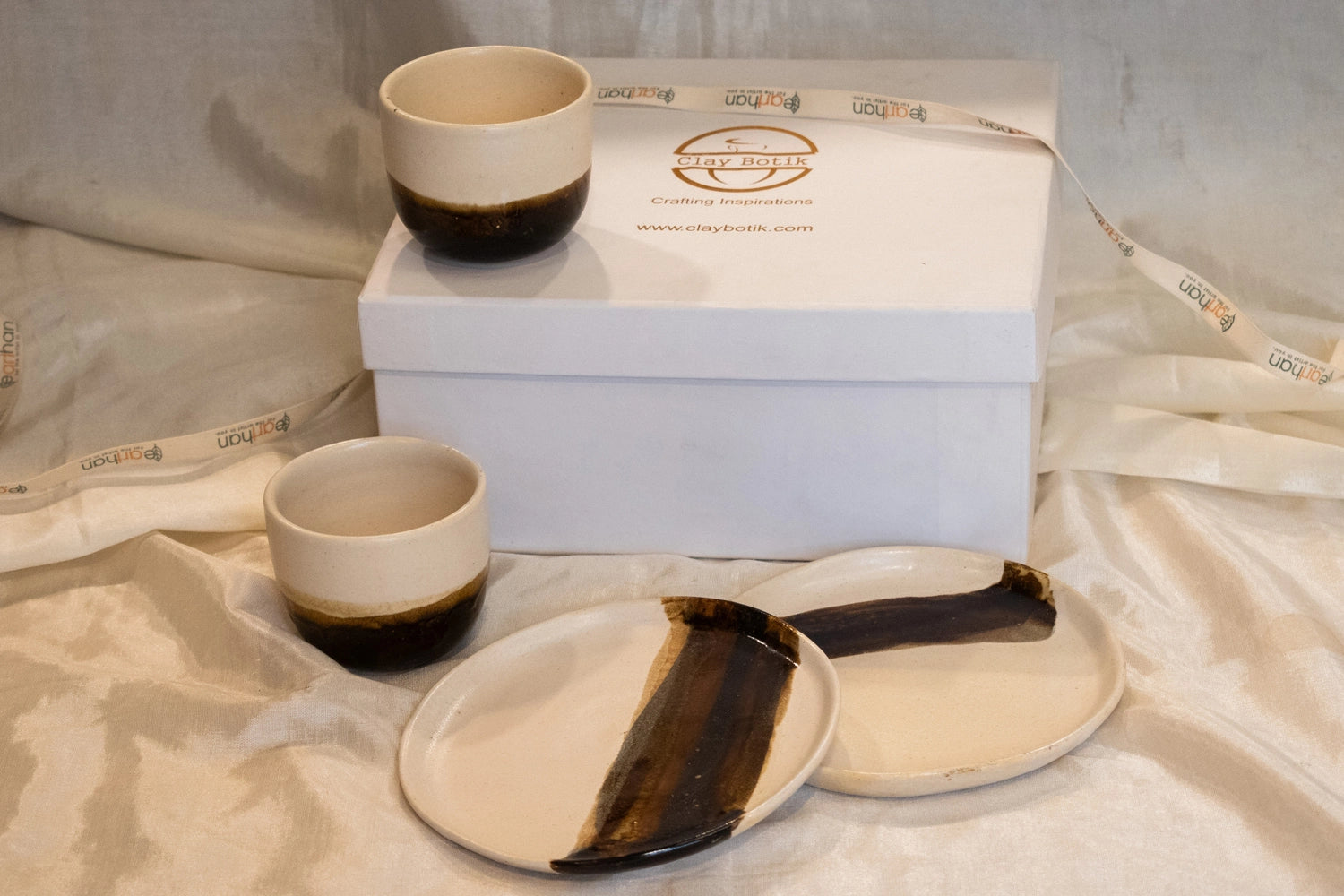
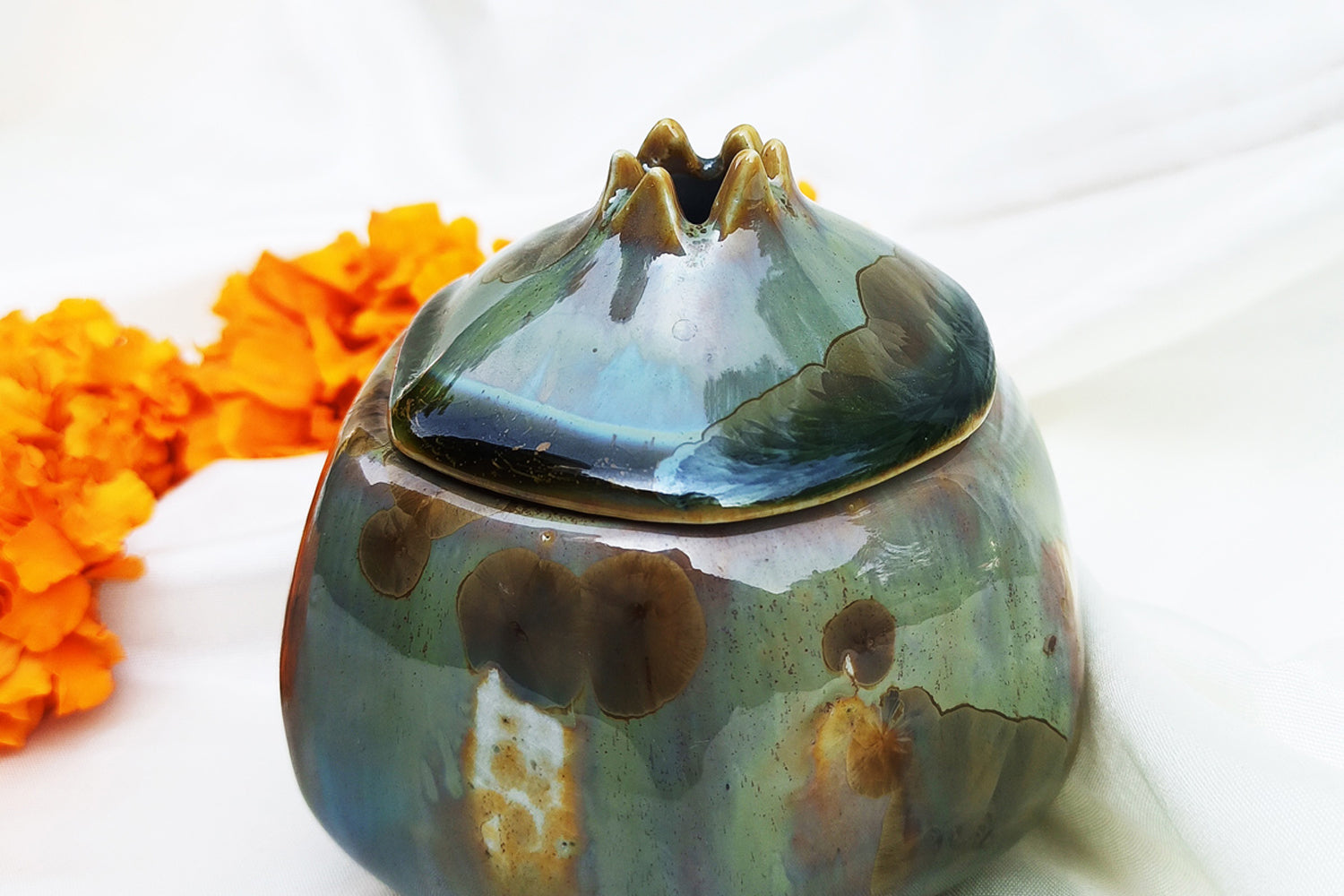
2. Small Imperfections in the Glaze
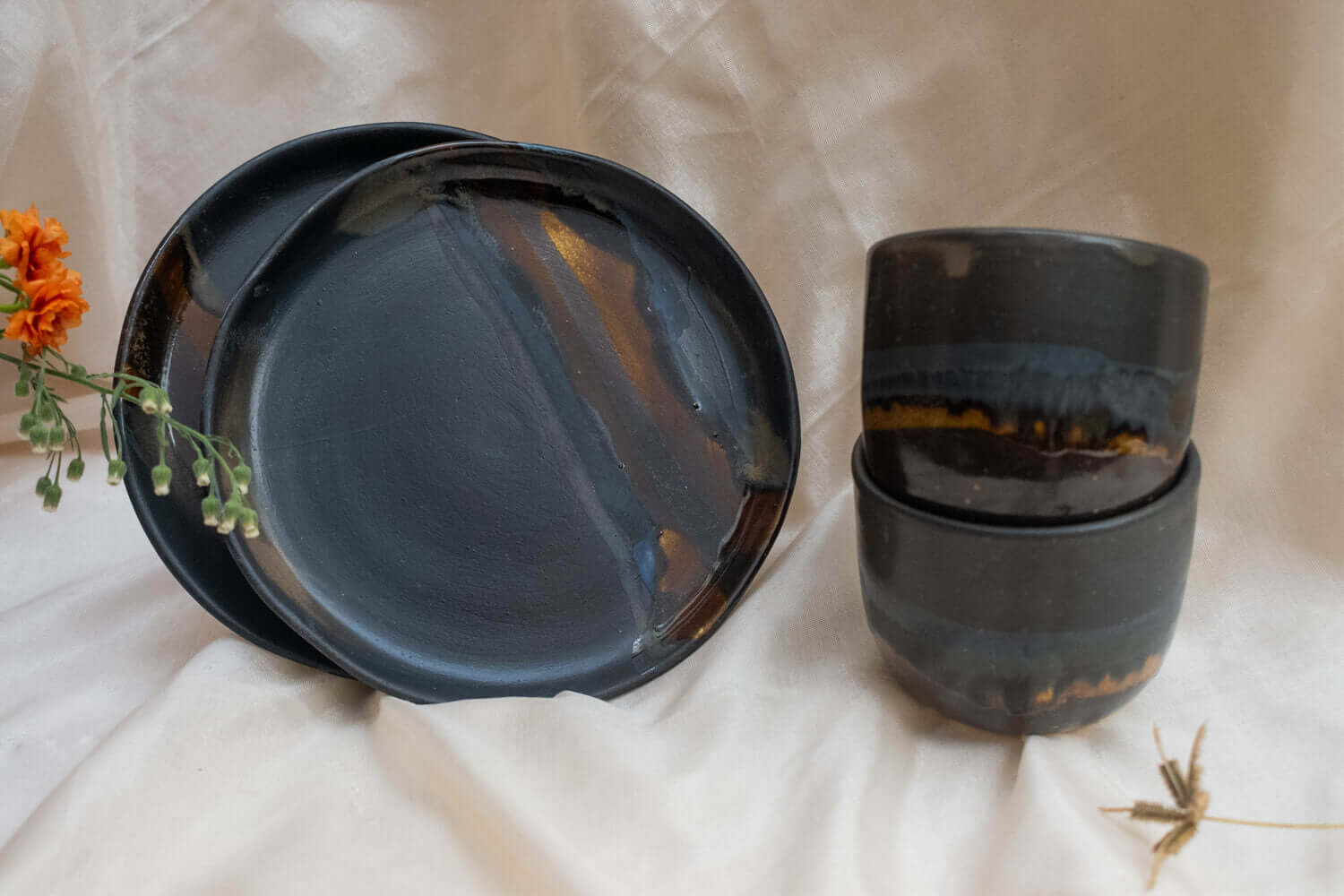
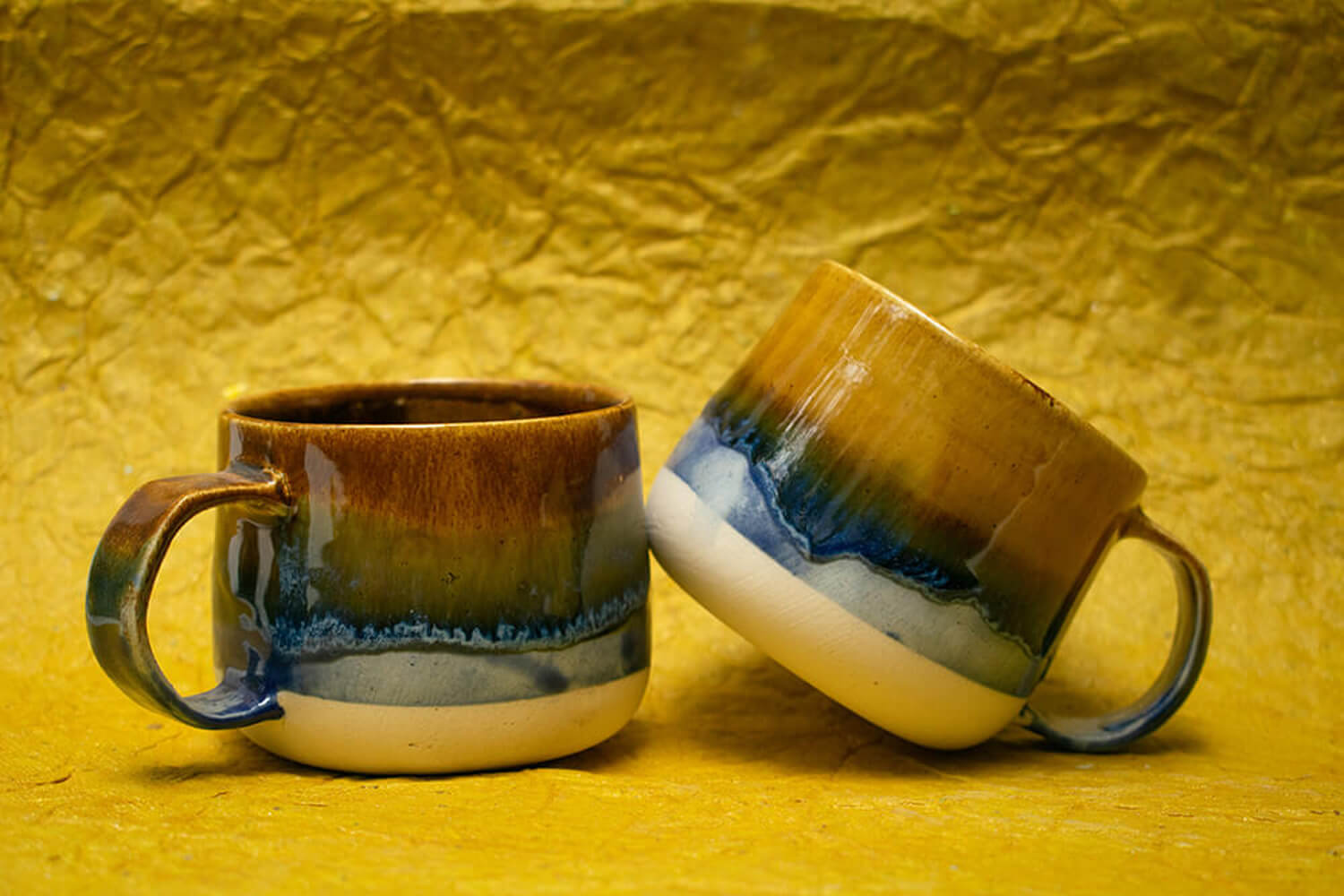
Hand-applied glaze behaves unpredictably inside the kiln.
You may notice:
- glaze drips
- tiny pinholes
- texture variations
- slight color shifts
- uneven glaze flow
These are not defects. They are signs of real handmade ceramic work.
During firing, the glaze melts and reacts naturally inside the kiln, creating patterns that cannot be fully controlled.
No two handmade pieces will ever look exactly the same.
3. Every Piece Looks Slightly Different
One of the easiest ways to identify handmade pottery is to compare two similar pieces.
In handmade ceramics:
- shapes may vary slightly
- glaze patterns differ
- handles may sit differently
- colors may shift subtly
They belong to the same family, but they are never identical twins.
Factory-made pottery, on the other hand, aims for complete uniformity.
4. The Bottom of the Piece Tells a Story
Turn the piece upside down.
Handmade ceramics often have:
- slightly rough bottoms
- trimming marks
- uneven foot rings
- unglazed sections
These details reveal the making process.
The Emotional Difference Between Handmade and Machine-Made Pottery?
Handmade pottery creates emotional connection.
We see this every day during pottery workshops at Claybotik.
When someone creates a piece with their own hands, they become deeply attached to it. It becomes personal. It carries memory.
The same happens with makers.
Every handmade ceramic piece passes through the hands of artisans dozens of times before completion. A single mug may involve:
- clay preparation
- wheel throwing
- trimming
- handle attachment
- drying
- sanding
- biscuit firing
- glazing
- glaze correction
- final firing
Each step is done by hand.
The piece slowly develops personality and identity over 15–20 days.
That emotional investment can never be mass-produced.
How a Handmade Ceramic Mug Is Actually Made
Many people do not realize how much work goes into creating one handmade mug.
Here is a simplified version of the process we follow at Claybotik:
Step 1: Wedging the Clay
The clay is compressed to remove air bubbles.
This is critical because trapped air can cause explosions inside the kiln.
Step 2: Measuring the Clay
Each piece requires carefully measured clay.
For example, a mug may require exactly 500 grams of clay so that multiple mugs remain similar in size.
Step 3: Wheel Throwing
The potter centers the clay and shapes it by hand on the pottery wheel.
This stage alone takes years of skill to master.
Step 4: Drying & Trimming
The piece dries overnight before another artisan trims and refines the shape.
Step 5: Handle Attachment
Every handle is attached by hand.
This is one of the clearest signs of handmade pottery.
Step 6: Drying Again
The piece dries for several days before sanding and finishing.
Step 7: First Firing (Bisque Firing)
The pottery is fired around 1000°C.
Step 8: Glazing by Hand
Glaze is manually applied to every piece.
Step 9: Final High Firing
The pottery is fired again for nearly 14 hours at temperatures reaching around 1250°C.
Then the kiln cools slowly over several days.
Only after this process is the final piece ready.
Why Does Handmade Pottery Cost More?
People often ask why handmade ceramics are expensive.
The answer is simple:
You are not paying only for clay.
You are paying for:
- years of craftsmanship
- multiple artisans’ labor
- 15–20 days of production
- kiln firing costs
- glazing work
- design expertise
- handmade finishing
- slow craftsmanship
Creating a beautiful, food-safe, functional ceramic piece by hand is incredibly labor-intensive.
Mass production lowers cost through automation.
Handmade pottery preserves craftsmanship
A Real Story About Imperfection
We once had only one mug left in stock.
The piece had a small imperfection in the glaze.
We explained it honestly to the customer.
Instead of rejecting it, they loved it even more.
They said the imperfection gave the mug personality.
That is the beauty of handmade pottery.
Imperfections are often what make the piece feel alive.
How to Identify Handmade Pottery Online
Shopping online can be difficult because you cannot physically touch the product.
Here are some clues:
- Look for real, unedited photos
- Check whether every piece looks slightly different
- Zoom into glaze texture and details
- Look for organic imperfections
- Avoid products that appear perfectly identical
At Earthan, we intentionally photograph our ceramics honestly without hiding texture or natural imperfections because we want customers to see the real handmade character of each piece.
Quick Checklist: How to Spot Handmade Pottery
Here’s a simple checklist:
✅ Slightly uneven rim
✅ Minor glaze variations or drips
✅ Small differences between similar pieces
✅ Handmade-looking bottoms or trimming marks
✅ Organic shapes instead of perfect symmetry
If you notice these details, there’s a strong chance the piece is genuinely handmade.
Final Thoughts
Machine-made ceramics may offer perfection.
But handmade pottery offers something far more meaningful:
character, warmth, individuality, and human connection.
Every handmade ceramic piece carries the touch of the artist who made it.
And that is something no machine can ever truly replicate.