
Cushion covers do more than dress up a sofa or bed. They set the tone for a room, add texture underfoot for the eyes, and often take more daily wear than any other soft furnishing in the house. So it is worth asking the obvious question before you buy: which fabric is actually best for cushion covers?
The honest answer is that there is no single "best" fabric for everyone, though if you are shopping our cushion cover collection, cotton is the fabric we work with most and the reasons why are covered below. The right choice depends on how the cushion will be used, the climate you live in, the look you are going for, and how much upkeep you are willing to do. Below, we break down the most popular cushion cover fabrics so you can pick the one that suits your home.
Why Fabric Choice Matters More Than You Think
A cushion cover is not just decorative. It is handled daily, exposed to sunlight, occasionally spilled on, and washed more often than most other textiles in the home. The fabric you choose affects:
- Durability: how well it holds up to regular use and washing
- Comfort: how it feels against skin, especially for cushions used while lounging or sleeping
- Breathability: important in warmer climates or humid seasons
- Appearance: matte, natural finishes versus sheen and drape
- Maintenance: some fabrics need dry cleaning, others are machine washable
With that in mind, here is a closer look at the fabrics worth considering.
1. Cotton: The Everyday Favourite
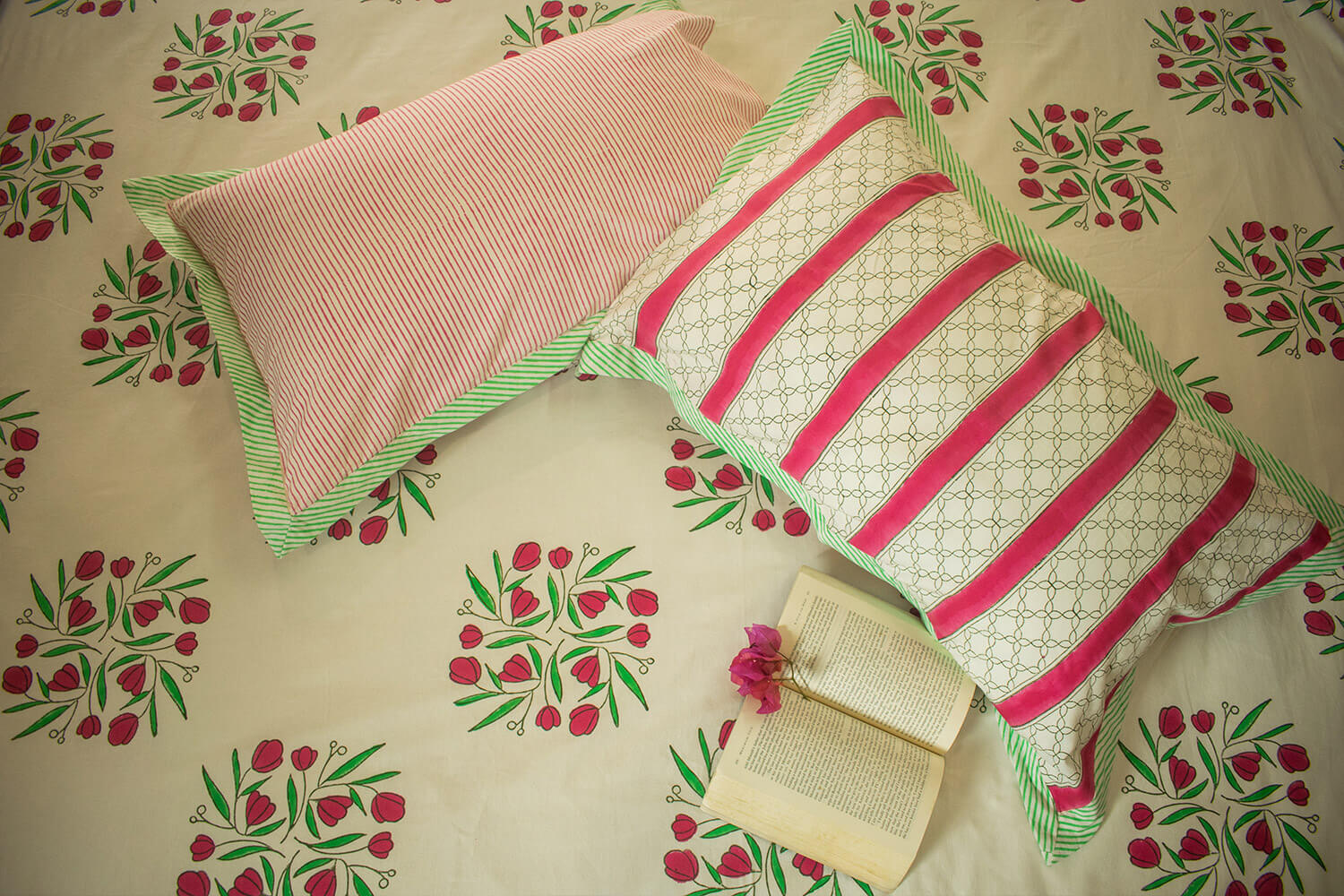
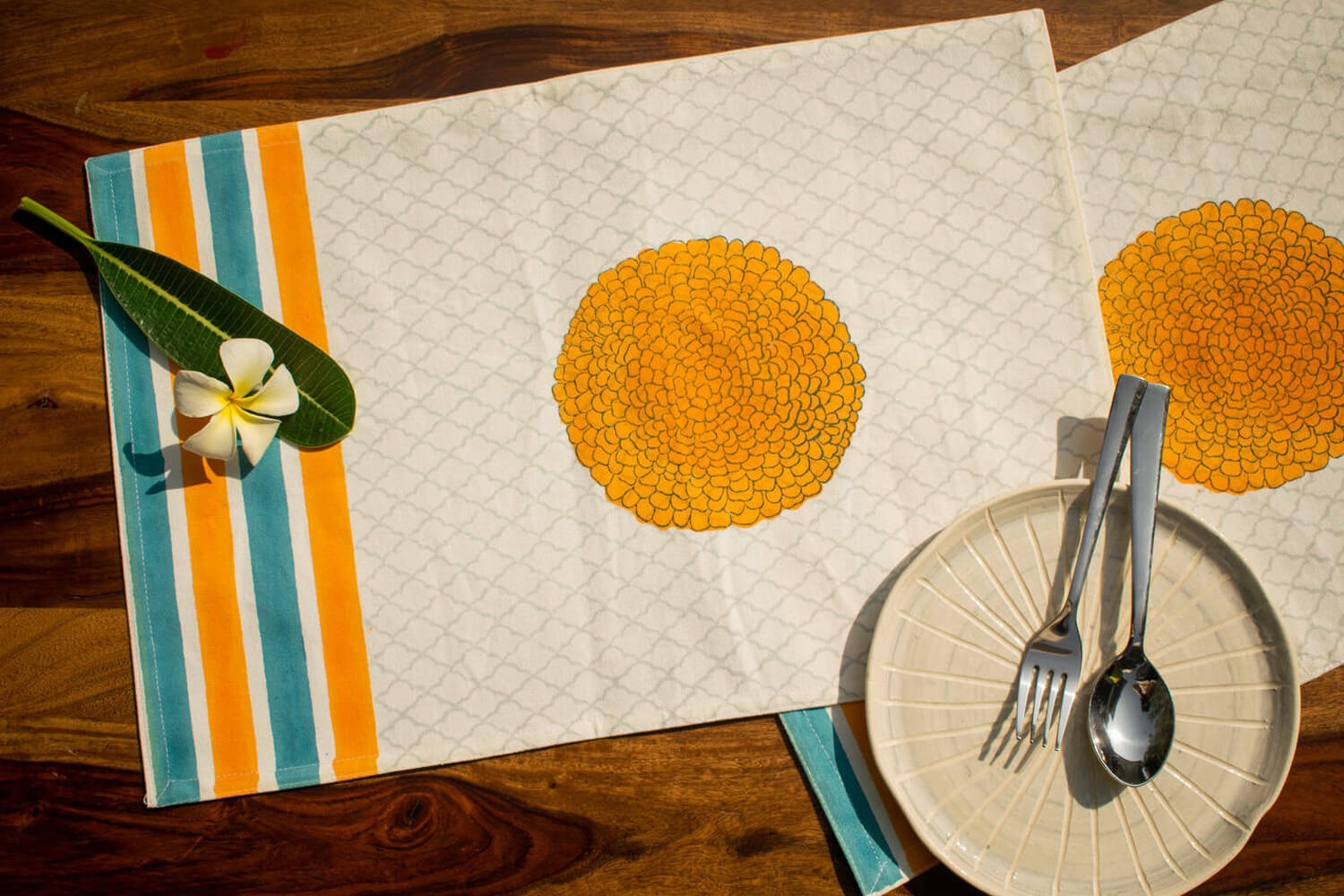
Cotton remains one of the most popular choices for cushion covers, and for good reason. It is breathable, soft, easy to wash, and takes dye and print exceptionally well, which is why hand block printed cotton cushion covers have such rich, long lasting colour.
Pros:
- Naturally breathable and skin friendly
- Easy to maintain, machine washable in most cases
- Holds prints and embroidery beautifully
- Affordable and widely available
Best for: Daily use cushions, sofas, beds, and homes that want a natural, low maintenance fabric.
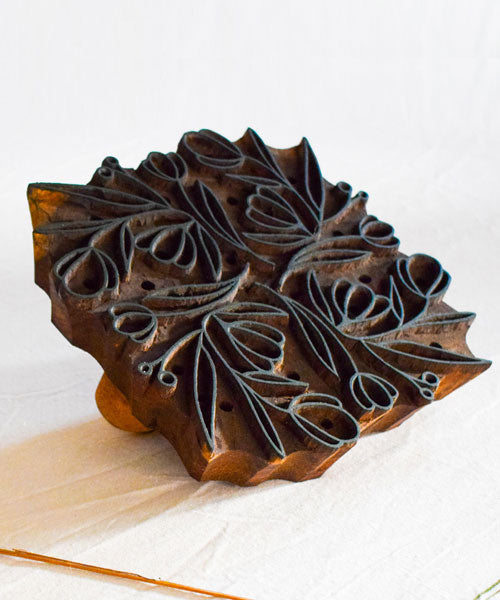
Cotton is also a favourite for artisanal work. In Jaipur, hand block printing on cotton has been practised for generations, and the fabric's tight weave allows intricate motifs to stay crisp wash after wash.
2. Linen: Relaxed, Textured, Timeless
Linen has a distinctive slubby texture and a relaxed drape that many people love for a lived in, effortless look. It is made from flax fibres, which makes it naturally moisture wicking and cool to the touch.
Pros:
- Highly breathable, ideal for warm and humid climates
- Gets softer with every wash
- Naturally textured, adds visual interest without needing a print
- Durable fibre that resists pilling
Cons:
- Wrinkles easily
- Can be pricier than cotton
- Colours tend to be more muted or earthy rather than vibrant
Best for: Living rooms and bedrooms with a relaxed, earthy or Scandinavian inspired aesthetic.
3. Silk: Luxurious but High Maintenance
Silk cushion covers bring an unmistakable sheen and softness that instantly elevates a space. It photographs beautifully and drapes with a fluidity no other natural fibre quite matches.
Pros:
- Luxurious sheen and smooth texture
- Lightweight yet strong
- Takes rich, saturated colour exceptionally well
Cons:
- Requires careful, often professional cleaning
- Prone to watermarks and sun damage over time
- Not ideal for households with pets or young children
Best for: Statement cushions in formal living rooms or bedrooms, used more for occasional styling than everyday wear.
4. Velvet: Rich Texture for Cooler Seasons
Velvet cushion covers add depth, warmth and a plush feel that works particularly well during winter months or in rooms that lean towards a moodier, layered look.
Pros:
- Soft, plush texture that feels indulgent
- Reflects light beautifully, adding dimension to a room
- Pairs well with jewel tones and deep, earthy shades
Cons:
- Can trap heat, less ideal for warmer climates
- Attracts dust and pet hair more easily
- Often needs dry cleaning
Best for: Winter refreshes, accent cushions, and spaces with a rich, layered colour palette.
5. Cotton Blends: A Practical Middle Ground
Blends, such as cotton with a touch of linen or cotton with a small percentage of synthetic fibre, are worth considering if you want a balance of durability, easy care and a slightly elevated texture without the higher maintenance of pure silk or velvet.
Best for: Households looking for a practical, everyday option that still feels a step above plain cotton.
Quick Comparison
| Fabric | Breathability | Maintenance | Best Season | Look |
|---|---|---|---|---|
| Cotton | High | Easy, machine washable | All year | Natural, versatile |
| Linen | Very high | Moderate, wrinkles easily | Summer, humid climates | Textured, relaxed |
| Silk | Moderate | High, often dry clean only | All year, occasional use | Luxurious, sheeny |
| Velvet | Low | High, dust prone | Winter | Rich, plush |
| Cotton blends | High | Easy | All year | Practical, elevated |
How to Choose the Right Fabric for Your Home
A few practical questions can help narrow down the decision:
Do you have pets or young children? Cotton and cotton blends are far more forgiving than silk or velvet.
What is your climate like? Linen and cotton suit warm, humid regions. Velvet is better suited to cooler months.
How often will the cushion be used? For everyday sofa or bed cushions, prioritise easy care fabrics like cotton. For occasional, decorative cushions, silk or velvet can be a beautiful splurge.
What look are you going for? Natural and earthy leans towards linen and hand block printed cotton. Formal and rich leans towards silk or velvet.
Our Take: Why We Work Primarily with Cotton
At Earthan, our cushion covers are handmade in Jaipur using cotton as our primary fabric, chosen deliberately for its breathability, durability and its long association with the region's hand block printing traditions. Jaipur's artisans have refined this craft over generations, and cotton's natural fibre takes dye in a way that keeps patterns vibrant long after the first wash.
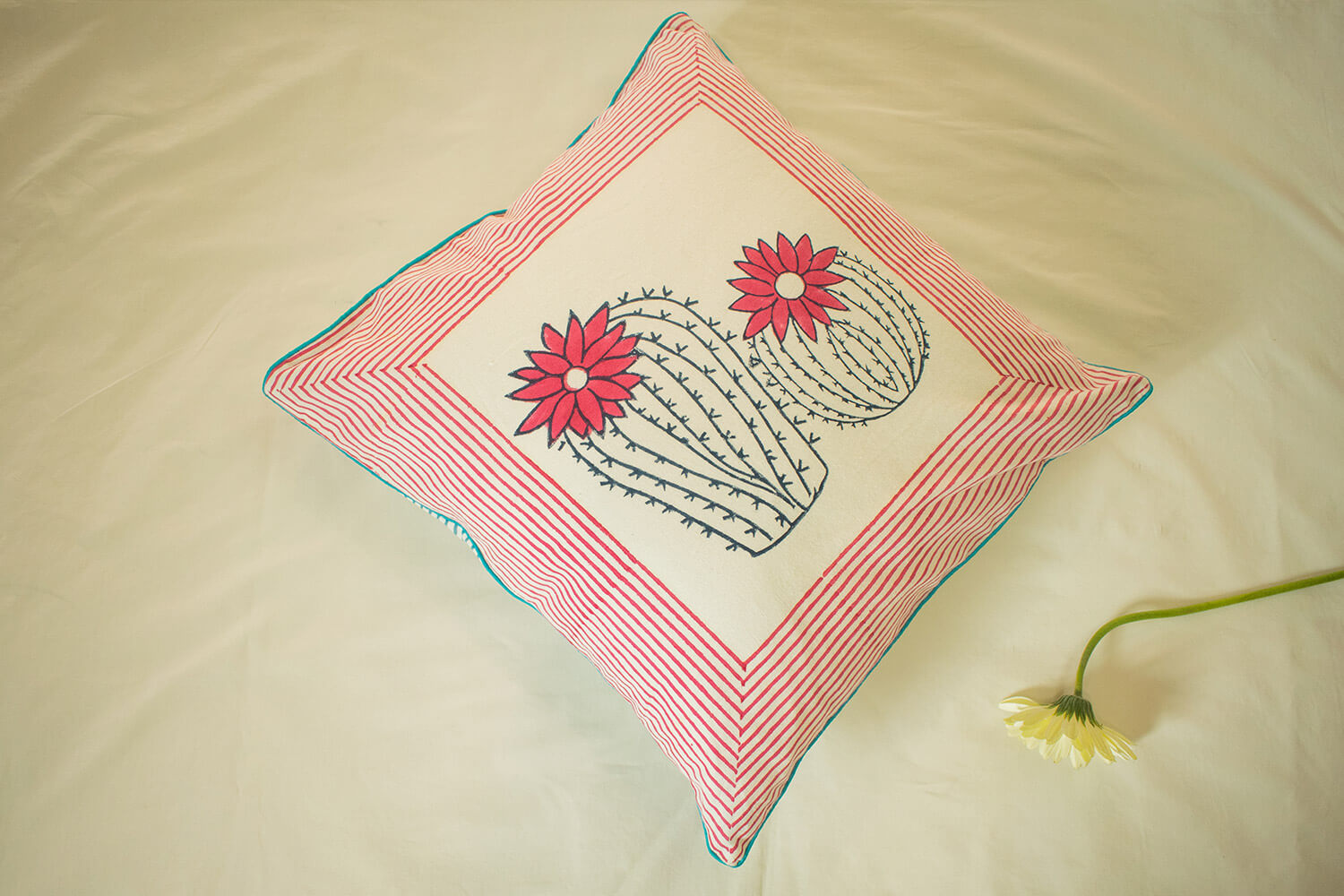
Choosing cotton also means our cushion covers are easy to maintain, gentle against skin, and suited to everyday use, without asking you to compromise on colour or design. Browse the Rang Collection for bold, saturated prints, or the Atrangi Collection for something more playful. If you are furnishing a bedroom, our hand block printed bedsheets are made from the same 100% cotton for a coordinated look.
Frequently Asked Questions (FAQs)
Which fabric is best for cushion covers in summer?
Cotton and linen are the most breathable options and work best in warm or humid weather.
Is cotton or linen better for cushion covers?
Both are breathable and durable. Cotton holds prints better and needs less ironing, while linen has a more textured, relaxed drape but wrinkles more easily.
Can silk cushion covers be machine washed?
Generally no. Silk usually requires dry cleaning or very gentle hand washing to avoid damaging the fibre.
What fabric is most durable for daily use cushions?
Cotton and cotton blends tend to hold up best to frequent use and regular washing.
Are hand block printed cushion covers made from cotton?
Yes, cotton is the traditional and most common base fabric for hand block printing, particularly in Jaipur, because it absorbs dye evenly and holds fine detail well.
Looking for handmade, hand block printed cotton cushion covers crafted by artisans in Jaipur? Explore Earthan's cushion cover collection.
{ "@context": "https://schema.org", "@graph": [ { "@type": "FAQPage", "@id": "https://earthan.in/blogs/news/which-fabric-is-best-for-cushion-covers#faqpage", "mainEntity": [ { "@type": "Question", "name": "Which fabric is best for cushion covers in summer?", "acceptedAnswer": { "@type": "Answer", "text": "Cotton and linen are the most breathable options and work best in warm or humid weather." } }, { "@type": "Question", "name": "Is cotton or linen better for cushion covers?", "acceptedAnswer": { "@type": "Answer", "text": "Both are breathable and durable. Cotton holds prints better and needs less ironing, while linen has a more textured, relaxed drape but wrinkles more easily." } }, { "@type": "Question", "name": "Can silk cushion covers be machine washed?", "acceptedAnswer": { "@type": "Answer", "text": "Generally no. Silk usually requires dry cleaning or very gentle hand washing to avoid damaging the fibre." } }, { "@type": "Question", "name": "What fabric is most durable for daily use cushions?", "acceptedAnswer": { "@type": "Answer", "text": "Cotton and cotton blends tend to hold up best to frequent use and regular washing." } }, { "@type": "Question", "name": "Are hand block printed cushion covers made from cotton?", "acceptedAnswer": { "@type": "Answer", "text": "Yes, cotton is the traditional and most common base fabric for hand block printing, particularly in Jaipur, because it absorbs dye evenly and holds fine detail well." } } ] } ] }